
When Your Garage Door Starts Talking, You Should Listen
A well-maintained garage door should operate relatively quietly — a smooth hum as the opener engages, a gentle glide as the door moves along its tracks. So when your garage door starts grinding, squealing, popping, or rattling, it's trying to tell you something. And ignoring those sounds can turn a minor fix into a major repair bill.
If you're a homeowner in Hamilton, OH, you know your garage door gets a serious workout. Between cold winter mornings and humid summer afternoons, the constant temperature swings put stress on every component. Let's break down the most common garage door noises, what causes them, and what you should do about each one.
Grinding or Scraping Sounds
A grinding or scraping noise is one of the most common complaints we hear from homeowners across Hamilton and the surrounding areas. This sound usually points to one of two issues:
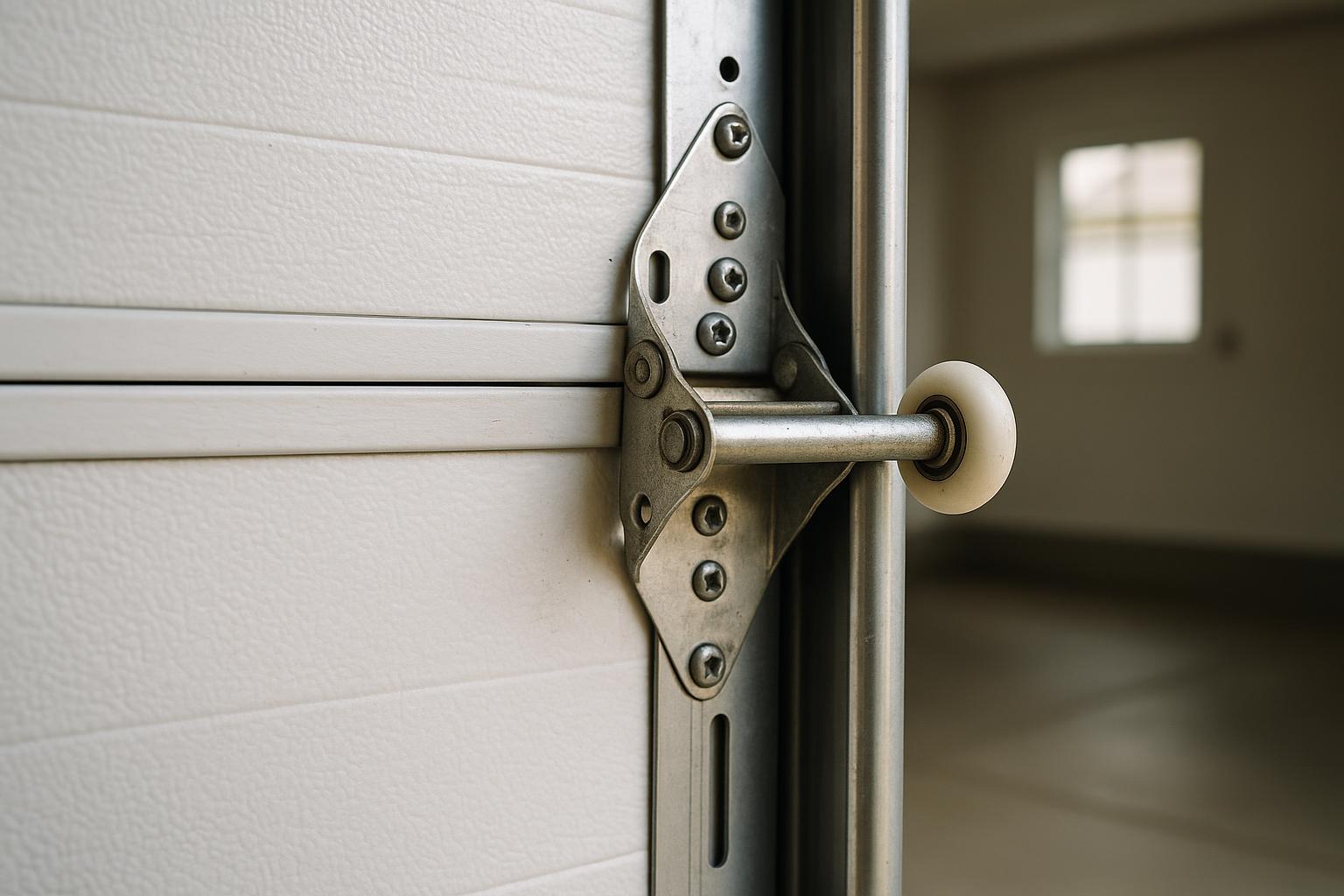
- Worn or dry rollers: Garage door rollers guide the door along the tracks. Over time, they wear down — especially if they're the standard steel variety. When the bearings inside the rollers deteriorate, you'll hear a harsh grinding sound every time the door moves. Nylon rollers tend to be quieter and last longer, and upgrading to them is a relatively affordable fix.
- Misaligned tracks: If the metal tracks that guide your door become bent, dented, or shifted out of alignment, the door can scrape against them as it moves. This not only creates an unpleasant noise but can also cause uneven wear on the door panels and hardware.
If you hear grinding, it's worth having a technician inspect both the rollers and the tracks before the problem worsens.
Squealing or Screeching Noises
A high-pitched squeal coming from your garage door is hard to ignore — and your neighbors in Fairfield or Trenton probably aren't thrilled about it either. Squealing typically comes down to friction where there shouldn't be any.
- Lack of lubrication: Your garage door has multiple moving parts — hinges, rollers, springs, and bearings — that all need periodic lubrication. When these parts run dry, metal grinds against metal, producing that unmistakable screech. A garage-door-specific silicone or lithium-based lubricant applied to these components can often solve the problem immediately.
- Torsion spring issues: The torsion springs above your garage door are under enormous tension. When they begin to wear or lose their coating, they can produce a squealing or creaking sound during operation. While lubrication can help temporarily, aging springs should be inspected by a professional to determine if replacement is needed.
A Quick Lubrication Tip
Avoid using WD-40 as a long-term lubricant for your garage door. While it's great for loosening stuck parts, it's actually a solvent and can strip away the grease your components need. Instead, use a product specifically designed for garage door maintenance.
Banging or Slamming Sounds
If your garage door sounds like it's slamming shut or banging during operation, something is likely off-balance or broken. This is one noise you shouldn't put off investigating.
- Broken or loose cables: The lift cables on either side of your door work in tandem with the springs to raise and lower the door smoothly. If a cable snaps or comes loose, the door can drop unevenly, creating a loud bang. This is a safety hazard and should be addressed immediately.
- Worn-out opener gear: Inside your garage door opener, a drive gear transfers power to the chain, belt, or screw that moves the door. When this gear strips or wears down, the opener can jerk the door or cause it to slam. Opener gear replacement is a common repair that restores smooth, quiet operation.
- Loose hardware: Over thousands of cycles, the nuts, bolts, and brackets on your garage door can loosen. A door with loose hardware will rattle and bang as it moves, and the vibrations only make the loosening worse over time. A periodic tightening of all hardware is part of a good maintenance routine.
Rattling or Vibrating Sounds
A persistent rattle or vibration during operation is usually less urgent than a bang, but it still deserves attention. Common culprits include:
- Loose chain on a chain-drive opener: If you have a chain-drive garage door opener, the chain can loosen over time and slap against the rail or housing as the door moves. Adjusting the chain tension usually eliminates the rattle. If you're in the market for a quieter opener altogether, a belt-drive model is worth considering.
- Loose door panels or window inserts: The individual panels of your garage door are bolted together, and some doors feature decorative window inserts. If any of these become loose, they'll vibrate and rattle during operation.
- Worn weatherstripping or seals: The rubber seals along the bottom and sides of your door can harden and crack over time, causing them to flap or buzz as the door moves. Replacing weatherstripping is an inexpensive fix that also improves energy efficiency — something Hamilton homeowners appreciate during both winter and summer.
Popping or Clicking Sounds
An occasional pop or click when your garage door starts moving is often related to the torsion spring adjusting under load. However, if the popping is loud, frequent, or accompanied by jerky movement, it could indicate:
- A spring that's near the end of its lifespan: Springs can develop weak spots that cause them to shift or pop under tension before they eventually break.
- Dirty or damaged tracks: Debris, rust, or small dents in the tracks can cause the rollers to pop as they pass over the obstruction.
In either case, a professional inspection can identify the root cause and prevent a more serious failure down the road.
When to DIY and When to Call a Professional
Some noise-related fixes are safe for handy homeowners to tackle on their own:
- Applying lubricant to rollers, hinges, and springs
- Tightening loose nuts and bolts
- Clearing debris from the tracks
- Adjusting the chain tension on your opener (consult your owner's manual)
However, certain repairs should always be left to a trained technician:
- Replacing or adjusting torsion springs (these are under extreme tension and can cause serious injury)
- Realigning tracks
- Replacing lift cables
- Diagnosing and repairing opener motor or gear issues
If you're unsure whether a noise is a simple fix or a sign of something more serious, it's always safer to have it checked out.
Keep Your Garage Door Running Quietly in Hamilton
Strange noises from your garage door aren't just annoying — they're early warning signs. Addressing them promptly can save you from unexpected breakdowns, costly emergency repairs, and potential safety hazards. A little preventive maintenance goes a long way, and most noise issues can be resolved quickly when caught early.
At Hamilton Garage Door Works, we help homeowners and businesses throughout Hamilton, Middletown, Oxford, Monroe, and the surrounding communities keep their garage doors operating smoothly and safely. If your door is making a sound that doesn't seem right, give us a call. We'll diagnose the problem honestly and get it fixed right the first time.