
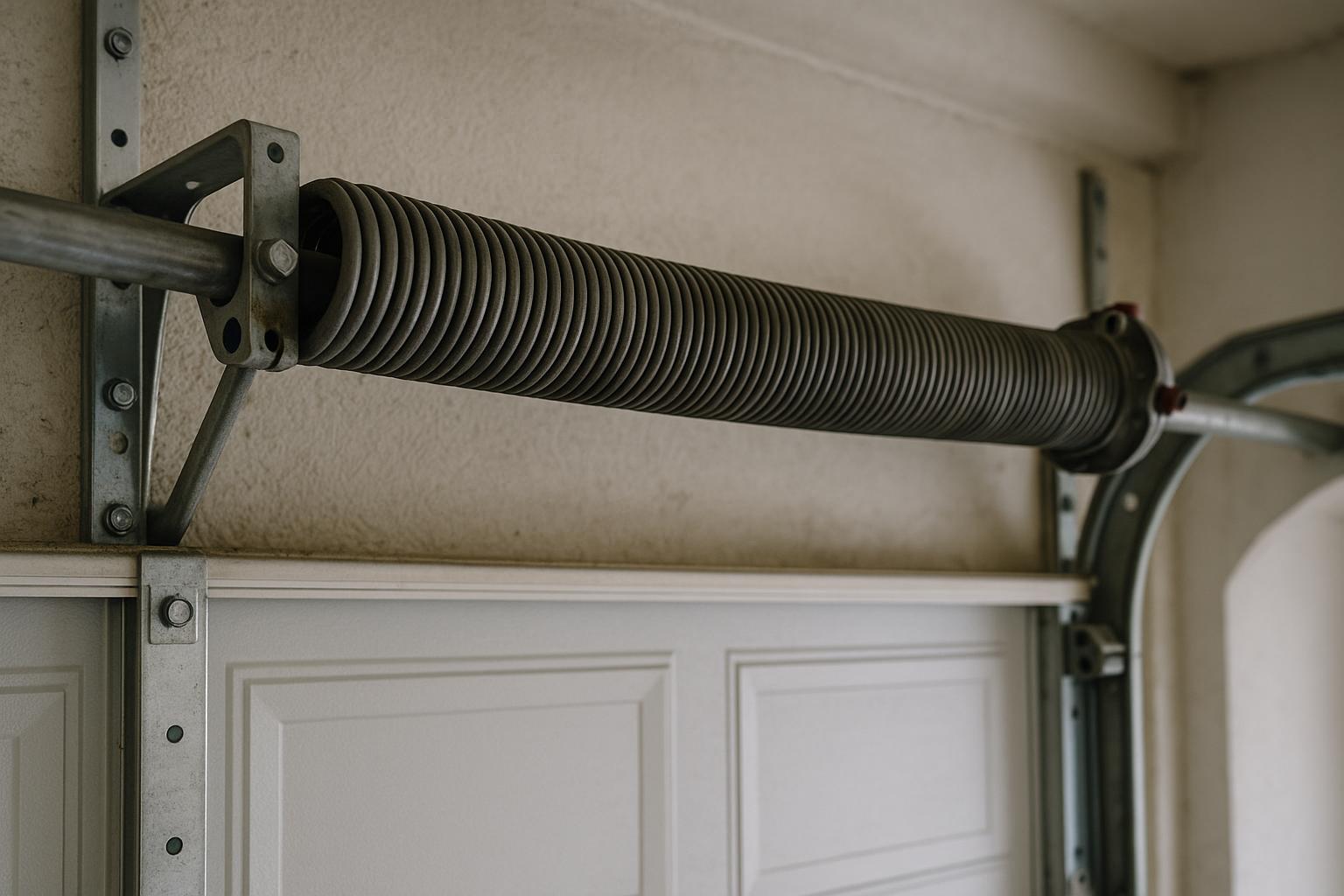
Your Garage Door Springs Are Doing More Work Than You Think
Most homeowners in Hamilton don't think about their garage door springs until something goes wrong. But here's a fact that surprises a lot of people: your garage door springs are responsible for lifting nearly all of the door's weight — not the opener. A typical residential garage door weighs between 130 and 250 pounds, and the springs do the heavy lifting every single time that door goes up and down.
That's a tremendous amount of work, and it means your springs are under constant tension. Over time, they wear out. When they fail, your garage door becomes inoperable — or worse, dangerous. Understanding when and why to replace your springs can save you from unexpected breakdowns, costly emergency repairs, and potential safety hazards.
How Long Do Garage Door Springs Typically Last?
Garage door springs are rated by cycles. One cycle equals one full open-and-close of your garage door. The most common spring types and their expected lifespans include:
- Standard torsion springs: Rated for approximately 10,000 cycles, which translates to roughly 7 to 10 years for the average household.
- High-cycle torsion springs: Available in 25,000, 50,000, or even 100,000-cycle ratings. These can last 15 to 20 years or more depending on usage.
- Extension springs: Typically rated for around 10,000 cycles, similar to standard torsion springs, though they tend to wear less evenly.
How quickly you burn through those cycles depends on how often you use your garage door. If your garage is your primary entrance — which is the case for many families here in Hamilton and the surrounding areas like Fairfield and Middletown — you might open and close your door four to six times a day. That adds up to over 1,500 cycles per year, putting you on the shorter end of that lifespan estimate.
Warning Signs Your Springs Are Wearing Out
Springs rarely fail without giving you some advance warning. Here are the signs Hamilton homeowners should watch for:
The Door Feels Heavier Than Usual
If you disconnect your opener and try to lift the door manually, it should move smoothly and feel relatively light. If it feels noticeably heavy or difficult to lift, your springs are losing tension and nearing the end of their life.
The Door Opens Unevenly or Crookedly
When one spring weakens faster than the other — especially common with extension spring systems — one side of the door may rise faster than the other. This puts stress on the tracks, rollers, and opener, potentially causing additional damage.
Visible Gaps in the Spring Coils
Take a look at your torsion spring above the door. A healthy spring has tightly wound coils with consistent spacing. If you notice a visible gap or separation in the coils, the spring has likely broken or is about to.
Loud Bang From the Garage
Many homeowners describe hearing a loud bang — almost like a gunshot — coming from their garage. This is often the sound of a torsion spring breaking. The door may still appear normal at first glance, but it won't function properly when you try to use it.
The Opener Struggles or Stops Working
Your garage door opener is designed to work with properly functioning springs. When springs weaken, the opener has to compensate by working harder. You might notice it straining, moving slowly, or stopping mid-cycle. Continuing to use a failing opener in this situation can burn out the motor.
Can You Replace Garage Door Springs Yourself?
We understand the DIY spirit — it's strong here in Hamilton, OH, and we respect that. But garage door spring replacement is one job we strongly recommend leaving to professionals. Here's why:
- Extreme tension: Torsion springs are wound under tremendous force. A spring that releases unexpectedly can cause severe injury or even death.
- Specialized tools required: Proper replacement requires winding bars, vice grips, and precise calibration tools that most homeowners don't have.
- Incorrect installation risks: A spring that's wound too tightly or too loosely will cause the door to malfunction, potentially damaging the door, opener, or tracks.
Professional technicians handle spring replacements every day and have the training and equipment to do the job safely. At Hamilton Garage Door Works, our team replaces springs efficiently and always tests the full system before we leave to make sure everything is balanced and operating correctly.
Should You Replace Both Springs at Once?
If your garage door has two springs and only one has broken, you might wonder whether it's worth replacing both. Our recommendation is almost always yes — replace both springs at the same time. Here's the reasoning:
- Both springs were installed at the same time, so they've experienced the same number of cycles. If one has failed, the other is likely close behind.
- Replacing both at once saves you from paying for a second service call in a few months when the remaining spring inevitably gives out.
- New springs on both sides ensure even balance and smooth operation, reducing wear on your opener and tracks.
This is one of those situations where spending a little more upfront saves you money and hassle in the long run.
How to Extend the Life of Your Garage Door Springs
While springs will eventually wear out no matter what, proper maintenance can help you get the most out of them:
- Lubricate your springs regularly. Apply a silicone-based or white lithium garage door lubricant to your springs two to three times per year. This reduces friction and helps prevent rust, which weakens the metal.
- Schedule annual maintenance. A professional inspection catches early signs of wear before they become expensive problems. During a maintenance visit, we check spring tension, balance, and overall condition.
- Minimize unnecessary cycles. Every open and close counts toward that cycle limit. If family members tend to open the door and leave it open briefly before closing it again, those extra cycles add up over the years.
- Keep the door balanced. An unbalanced door puts uneven stress on springs. If your door doesn't stay in place when you lift it halfway and let go, it's time for a balance adjustment.
When to Call a Professional in Hamilton
If you've noticed any of the warning signs mentioned above, don't wait for a complete failure. A broken spring at the wrong time — like a cold Monday morning when you need to get to work — is never convenient. Homeowners throughout Hamilton, Trenton, Monroe, and Oxford count on us for prompt, honest service when their springs need attention.
At Hamilton Garage Door Works, we carry a wide selection of springs in common sizes so most replacements can be completed in a single visit. We'll explain exactly what's going on with your door, give you a clear price before we start any work, and make sure your garage door is safe and reliable before we leave.
If it's been seven years or more since your springs were last replaced — or if you can't remember the last time they were inspected — give us a call. A quick checkup now can prevent a much bigger headache later.